Competitor Analysis Template: The Essential Slides for Impactful Design
In the fast-paced world of business strategy, clarity is your greatest asset. A well-structured Competitor Analysis Template is the cornerstone for transforming complex market data into a compelling visual narrative. It’s not about drowning your audience in endless slides; it’s about presenting the right information with precision and creative flair. For entrepreneurs, designers, and marketers, this approach ensures your message doesn’t just inform—it captivates and persuades.
The Power of Focused Visual Communication
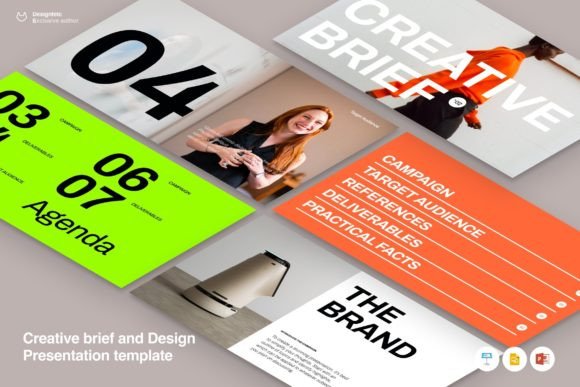
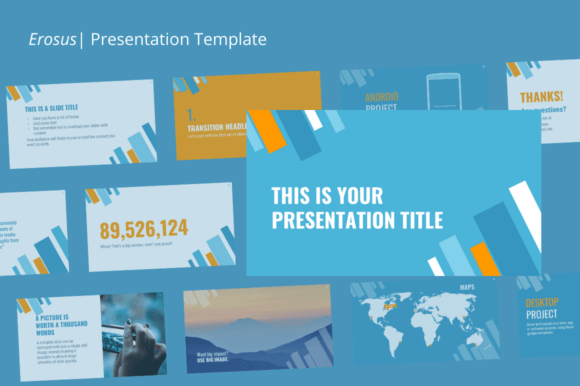
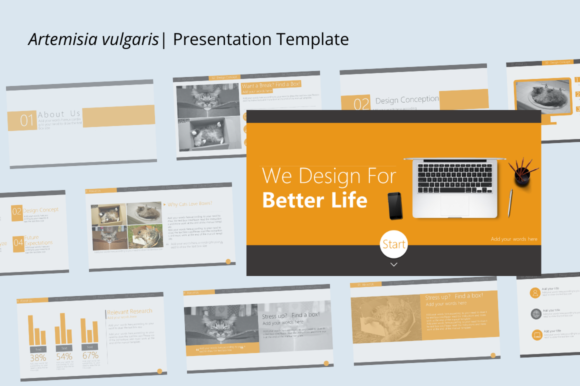
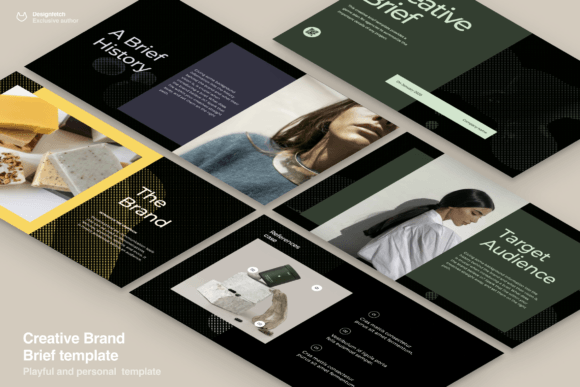
Modern graphic design thrives on intentionality. A powerful presentation template, whether for PowerPoint, Keynote, or Google Slides, acts as a strategic framework for your visual design. It establishes a clear visual hierarchy, guiding the viewer’s eye from key insights to actionable conclusions. This disciplined approach to brand identity and communication is what separates a forgettable pitch from a memorable one. By using a curated set of slides, you respect your audience’s time while amplifying your message’s impact.
Core Components of an Effective Analysis
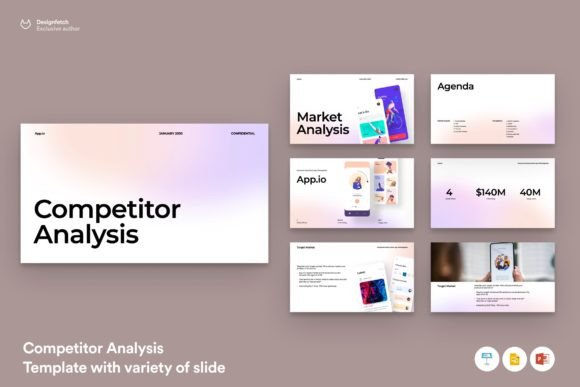
A superior competitor analysis template distills the essence of your research into core visual components. It typically includes:
- Market Positioning Maps to visually plot competitors against key metrics.
- Feature Comparison Grids that highlight your unique value proposition.
- SWOT Analysis Slides for a balanced view of strengths and opportunities.
- Target Audience Overviews to define and contrast customer profiles.
These elements, when designed with modern aesthetics and clean typography, create a professional presentation that feels both authoritative and accessible. The goal is to make data digestible and strategy actionable.
Practical Applications Across Creative Projects
The utility of a well-designed template extends far beyond a single meeting. It becomes a foundational creative asset in your design workflow.
- Branding and Marketing: Use the structured format to present brand audits or campaign post-mortems to stakeholders.
- Digital Marketing & Social Media: Adapt slides into infographic-style social media graphics or webinar visuals that summarize market trends.
- Product Development: Inform UI/UX design decisions by visually mapping competitor user flows and feature sets.
- Internal Strategy: Align teams with a clear, visual brief on competitive landscapes before launching new initiatives.
This versatility makes it a valuable piece of your broader design inspiration library, applicable to packaging design proposals, editorial layouts, or even web design planning sessions.
Choosing and Customizing Your Template
Selecting the right template involves evaluating its flexibility and design integrity. Look for these key factors:
- Full Editability: Ensure you can customize the color palette, fonts, and logos to match your brand identity seamlessly.
- Visual Cohesion: The template should demonstrate strong composition and readability, with a balance of imagery and text.
- Scalability: Choose a design that maintains its professional polish whether you’re presenting to two people or two hundred.
When customizing, prioritize consistency. Apply your brand’s typography and color scheme uniformly. Use high-quality, relevant imagery that supports your narrative. Remember, the template is a vessel for your insights; its design should enhance, not overshadow, your content.
In the end, the strategic use of a focused Competitor Analysis Template is a testament to thoughtful design thinking. It demonstrates respect for both the data and the audience, turning a routine business exercise into a compelling story. By investing in quality creative assets, you elevate not only the aesthetics of your communication but also its effectiveness, ensuring your ideas resonate long after the presentation ends.